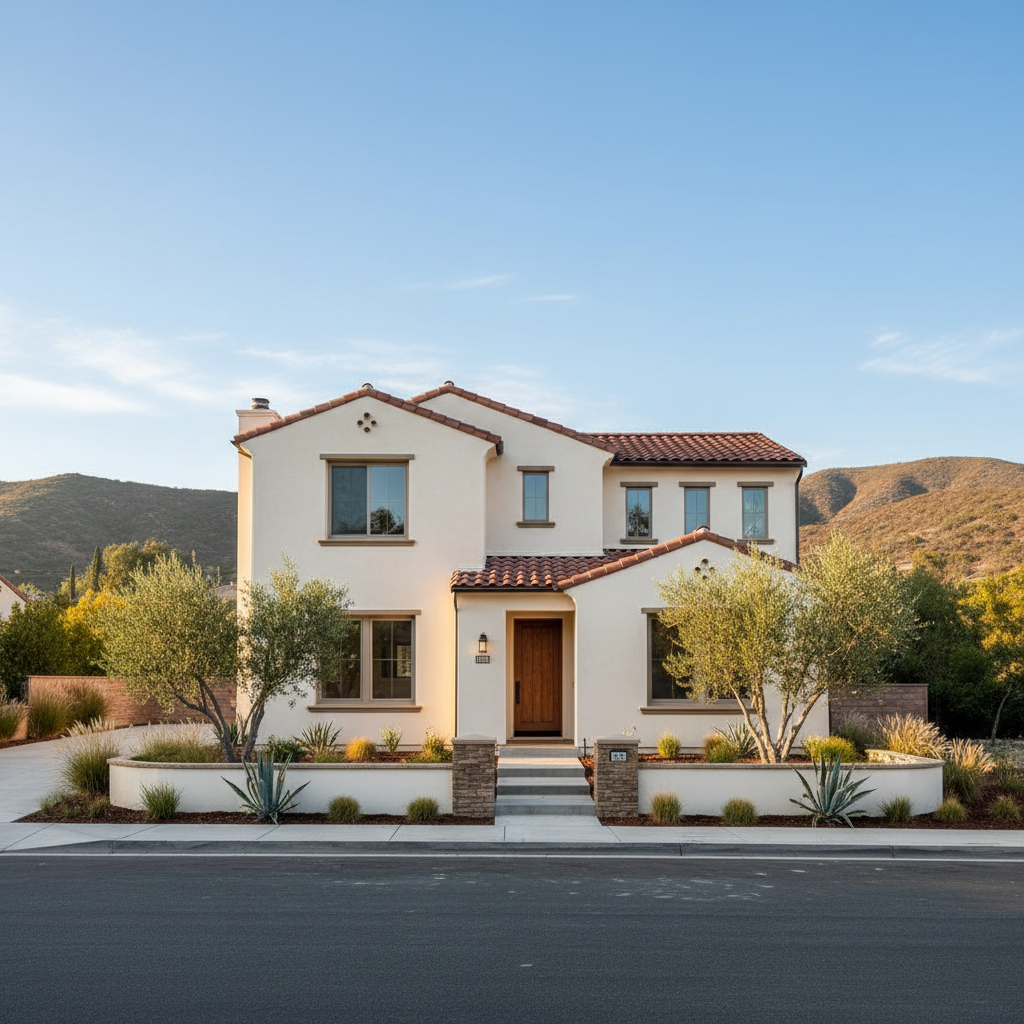
When you put money into your home, especially for something as important as the outside, you really want it done right. And here in Glendale, "doing it right" means keeping a close eye on our local weather. I've been working with stucco all over the Verdugo Mountains for years, and believe me, the climate here makes a huge difference in how well your stucco holds up and how long it lasts.
Glendale's Weather: What Your Stucco Has to Deal With
Living in Glendale's Mediterranean climate is pretty sweet, but it definitely throws some specific curveballs at stucco. We get those warm, dry summers and then cool, wet winters. The temperature in Glendale typically bounces from a low of 43°F in December to a high of 89°F in August. But it's not just the averages we worry about; it's the big swings.
- Thermal Stress: We often see daily temperature changes of 25-35°F, and sometimes even 40°F or more between day and night, especially during spring and fall. This constant expanding and shrinking really stresses stucco, causing those tiny hairline cracks to pop up over time.
- Low Humidity, Lots of UV: Our summers are hot and dry, packed with sunshine. While low humidity can actually be good for curing, all that intense UV light can fade your stucco's color and break down its protective finish.
- Wind: Let's not forget those Santa Ana winds, which really kick up from October through April. They can hit over 80 mph and put some serious mechanical strain on stucco surfaces. If you've got any cracks, that wind-driven moisture can sneak right in and cause a real headache.
- Rain: We don't get a ton of rain, averaging about 18 inches a year, with most of it falling from November through March. February is usually the wettest month, interestingly enough. Even though it's not much, heavy downpours can overwhelm older stucco systems, especially if they already have cracks.
When to Get Your Stucco Work Done
So, with all that in mind, when's the best time to tackle stucco projects? It's all about finding that "Goldilocks Zone" where conditions are just perfect for the material to cure properly.
Spring and Fall: Just Right
Generally, late spring and early fall are your best bets for putting in new stucco or doing major repairs.
- Moderate Temperatures: Stucco cures best when the temperature stays consistently between 50°F and 85°F. Glendale's spring and fall often give us these mild temperatures, letting the stucco cure slowly and evenly.
- Less Rain Risk: While spring can bring some rain, it's usually less than winter. Fall typically wraps up before the really heavy winter rains start, giving your stucco plenty of time to cure and become waterproof before those storms hit.
- Just-Right Humidity: Moderate humidity levels are ideal for good adhesion and a nice finish. If it's too dry, the stucco can crack; too humid, and it just won't set right.
For instance, if you're thinking about a project for your Spanish Colonial Revival home up in Chevy Chase Canyon, aiming for April-May or October-November usually works out great. You get to skip the summer heat and the worst of the winter rains.
Summer: Be Careful
Glendale summers can get pretty hot, with August highs averaging 89°F. While some folks might suggest summer because there's less rain, extreme heat (above 90°F) can make stucco dry too quickly, which leads to