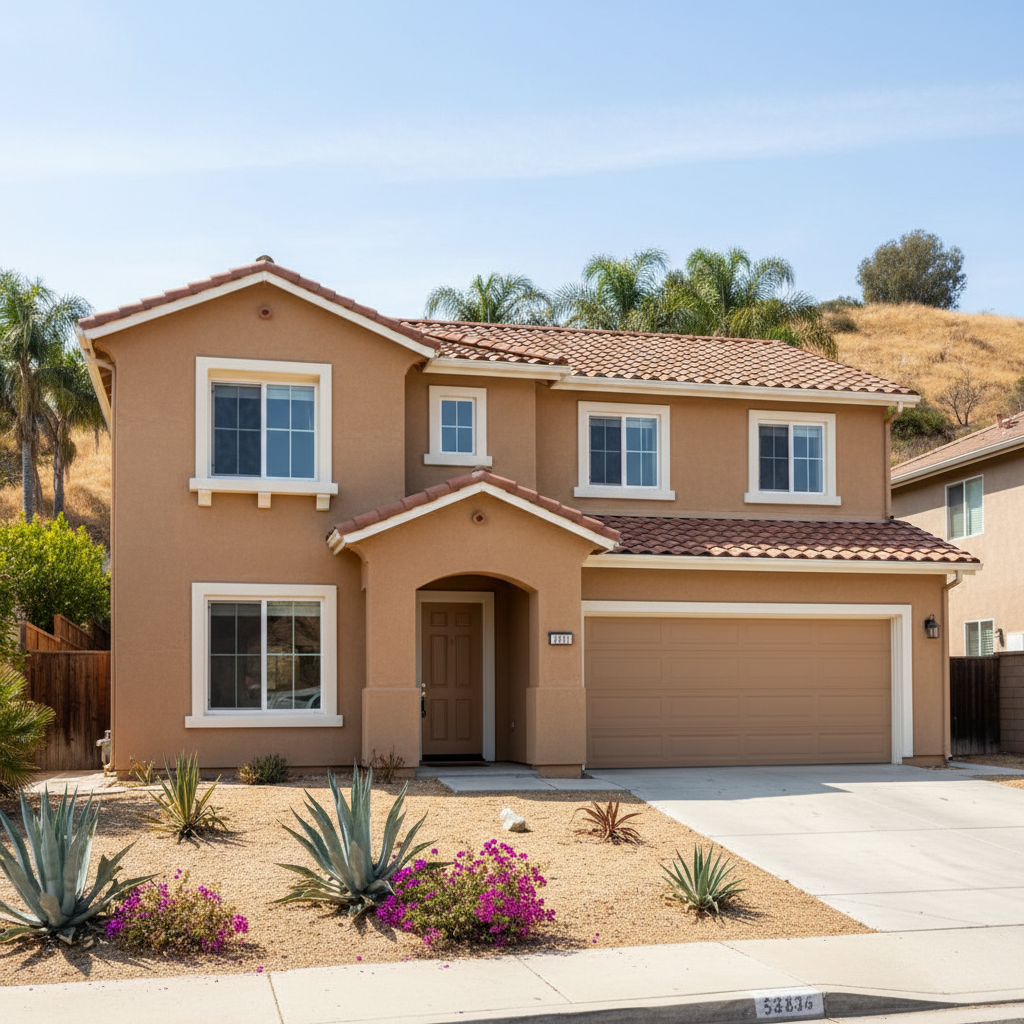
Finding a good stucco contractor shouldn't feel like pulling teeth, but I've seen enough homeowners get burned that I know it can be tough. You're trying to protect your biggest investment, and you need someone reliable who knows what they're doing. Here in Glendale, especially with our older homes in areas like Adams Hill or those built on hillsides, stucco work needs to be done right the first time. You don't want water intrusion or cracks showing up a year later because someone cut corners.
What to Ask Before You Hire Anyone
When you're talking to contractors, don't be shy. You're paying them good money, so ask away. Here are the questions I'd hit them with:
Are you licensed and insured? This is non-negotiable. I'm talking about a C-35 Lathing and Plastering contractor license for stucco work. Ask for their license number and check it on the CSLB website. Then ask for proof of general liability and workers' compensation insurance. If they don't have both, or act cagey, walk away. You don't want to be on the hook if someone gets hurt on your property.
How long have you been doing stucco specifically? Some general contractors dabble in stucco. You want someone who specializes in it. They'll know the nuances, the right materials for our climate, and how to handle different substrates.
Can you provide references from recent jobs? A good contractor will have a list ready. Call those references. Ask if the job was completed on time, if the crew was professional, and if they'd hire them again.
What kind of warranty do you offer on your work? A reputable company will stand behind their work. Get it in writing. We offer a solid warranty at Glendale Stucco & Plastering because we're confident in our craftsmanship.
Who will be doing the actual work? Your employees or subcontractors? This matters for quality control and accountability. If it's subs, ask how long they've worked with them and how they ensure quality.
How do you protect my property during the job? Stucco work can be messy. You want to know they'll cover windows, landscaping, and clean up daily.
Decoding the Quote: What to Look For
Don't just pick the cheapest quote. That's a rookie mistake. A good quote should be detailed, not just a single number. Here's what you want to see:
Breakdown of materials and labor: It should clearly list the type of stucco system (e.g., three-coat system, synthetic), the specific products they'll use (brands, types of mesh, finishes), and the labor costs. If it's just 'stucco job: $X,XXX,' that's a red flag.
Scope of work: What exactly are they doing? Is it a patch, a full re-stucco, an acrylic finish? Does it include prep work like power washing or removing old stucco? Make sure everything you discussed is in there.
Payment schedule: A reasonable payment schedule usually involves an initial deposit (often 10% or a set amount by law), progress payments, and a final payment upon satisfactory completion. Be wary of anyone asking for a huge upfront payment.
Permits: For significant stucco work, especially if it involves structural changes or a full re-stucco, you might need a city permit. Your contractor should handle this. Make sure it's included or at least mentioned.
Cleanup: The quote should specify that they'll remove all debris and leave the site clean.
Red Flags You Can't Ignore
I've seen these pop up over the years, and they're always trouble:
Unsolicited door-to-door offers: Someone knocks on your door saying they just finished a job down the street and have leftover materials. Nope. Just say no.
Pressure tactics: