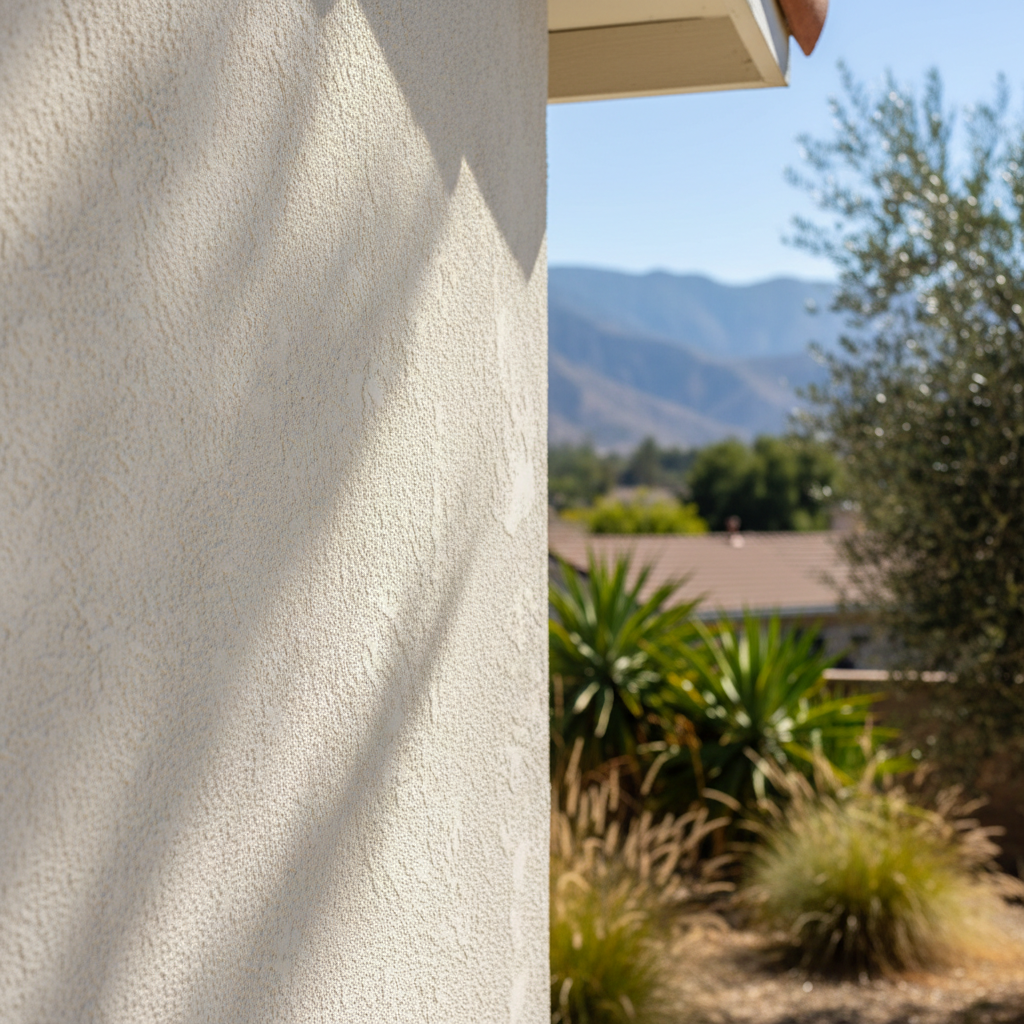
So, you're thinking about new stucco for your place right here in Glendale? Maybe you're adding on a room, or it's finally time to ditch that old siding that's just seen too many years. It's a big job, no doubt. I get a lot of folks asking me, "Can I actually do some of this myself?" The quick answer: sure, maybe a little bit. But most of it? Honestly, you're better off letting a pro handle it, and I'll tell you exactly why.
Before You Even Think About Stucco, Really
Planning is absolutely crucial, especially with stucco. You can't just slap it on and cross your fingers. First off, you've got to get a handle on your local building codes. Around here in Glendale, particularly with some of those charming older homes in spots like Adams Hill, or even the newer builds up in the Verdugo Woodlands, there are specific rules. We're talking about everything from the type of lath you use to how many coats need to go on. This isn't something you want to guess at. Getting your permits is step one, and that means your plans have to meet code.
Now, what you *can* tackle yourself before anyone even picks up a trowel is a good chunk of the prep work. Clearing the site? Removing old landscaping that's hugging the walls too closely? Making sure there's clear access all the way around the house? That's all stuff you can definitely do. If you're replacing old siding, you might even be able to handle tearing out the old material, as long as you're careful and know what you're getting into. Just be super aware of any lead paint or asbestos in older stuff; that's a whole different ballgame and usually needs specialized removal, you know?
The Installation Process: Where DIY Stops and the Pros Step In
Once you've got your permits and a clean slate, the real work begins. This is where I'd strongly suggest you take a step back and let the experts take over. Stucco isn't just some mud on a wall; it's a multi-layered system. It's specifically designed to protect your home from our scorching, dry summers and those occasional heavy rains we get.
- Water Resistive Barrier (WRB): This is your home's very first defense against moisture. It's usually a house wrap or building paper. It needs to be put in just right, with proper overlapping, and integrated perfectly with your windows and doors using flashing. If water sneaks behind your stucco, you're looking at rot and mold, and trust me, that's an expensive fix. You might think, "Oh, I can put up some paper," but getting it truly right, especially around all those openings, takes real precision.
- Lath Installation: Next up is the metal lath – basically chicken wire, but specific types are required. This gives the stucco something solid to grab onto. It has to be fastened securely, spaced correctly, and again, properly integrated around any openings. If the lath isn't right, your stucco will crack and eventually delaminate. I've seen plenty of DIY lath jobs that look like a bird's nest – and they always fail.
- Scratch Coat: This is the first layer of stucco. We apply it directly to the lath, pushing it through the mesh to create a strong mechanical bond. It needs to be the perfect consistency, applied to the right thickness, and then scratched to give the next coat something to stick to. This is where the real skill shows up. Getting a consistent thickness and a good scratch pattern is absolutely vital for the entire system's strength and adhesion.
- Brown Coat: The second layer, or brown coat, goes over that scratch coat. This is where we straighten up the walls, making sure they're plumb and true. This coat needs to be leveled and floated smooth. If your walls aren't straight now, they never will be. This is a highly skilled part of the job, demanding a sharp eye for detail and years of practice.
- Finish Coat: This is the part everyone actually sees. It's the color and texture. You've got tons of options here – smooth, sand finish, dash, Santa Barbara. This coat needs to go on quickly and uniformly to avoid those pesky cold joints and color variations. It's truly an art form. If you're not experienced, you'll likely end up with an uneven, blotchy mess that's pretty much impossible to fix without redoing the whole thing.
Trying to DIY these stucco coats is kind of like trying to perform surgery on yourself. You might think you can just follow instructions, but the nuance, the feel, the speed – that only comes with years of experience. You'll probably waste a ton of material and time, and end up with a finish that just looks amateurish and won't last. Plus, if it fails, your home isn't protected, and you'll have to pay a pro to tear it all off and start over anyway. What a headache!
After the Stucco is On
Once the stucco is up and cured, there's actually less for you to do, which is nice. You'll still need to keep an eye on it, of course. For the first few days, especially if it's hot and dry (which, let's be honest, it often is here in Glendale), you might need to lightly mist the stucco. This helps it cure properly and keeps it from drying out too fast and cracking. Your contractor will give you specific instructions on this.
Long-term maintenance is pretty straightforward. Just keep your sprinklers from hitting the walls directly, trim back any bushes and trees so they're not rubbing against the stucco, and clean it periodically with a soft wash. If you spot any cracks, especially hairline ones, don't panic. Stucco does move a bit. But if you see larger cracks, or cracks that are growing, give us a call. It could signal something more serious that definitely needs professional attention.
Look, I'm all for homeowners tackling projects themselves. It's satisfying, right? But some things are just too critical for your home's integrity. Stucco installation is one of those things. You want it done right, so it protects your investment for decades. That's why folks call Glendale Stucco & Plastering – because we know how to do it right the first time.