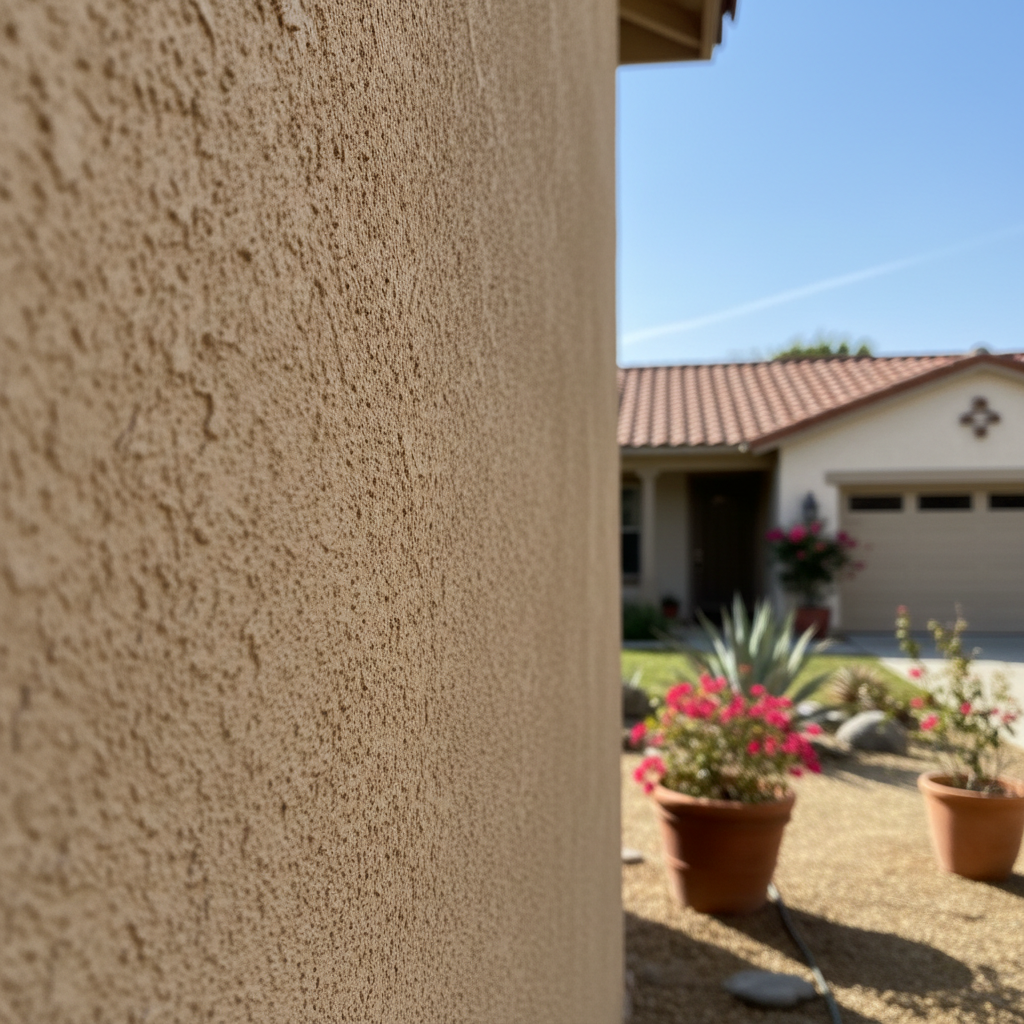
Thinking about sprucing up your home's exterior? Stucco redashing might be just the ticket. It's a smart move, really, for boosting curb appeal and protecting your investment. I get asked about this job a lot, so I figured I'd put together answers to the most common questions right here. No fancy words, just what I've picked up over years working on homes all over Glendale—from those charming bungalows in Adams Hill to the bigger places up in Chevy Chase Canyon.
What's stucco redashing, anyway? And how's it different from a full replacement?
Okay, let's get this straight first. Redashing isn't about ripping off all your old stucco down to the lath. That's a full replacement, and honestly, it's a much bigger, pricier project. Redashing, sometimes called recoating, just means putting a new finish coat of stucco right over your existing, solid stucco. Think of it like giving your house a brand new skin without having to rebuild the bones underneath. We're not fixing structural problems with redashing; we're giving the surface a fresh, durable, and good-looking upgrade. It's perfect if your stucco is mostly fine but just looks tired, faded, maybe has a few minor hairline cracks, or if you simply want a new color or texture.
So, how long does a redashing job usually take, and what's the process involve?
The timeline really depends on your house's size and how complicated the job is. But for an average Glendale home, you're usually looking at anywhere from a few days to maybe a week and a half. Here’s a quick rundown of how we typically handle things:
- Getting Ready: This part is super important. We'll clean the old stucco thoroughly, fix any bigger cracks or loose spots, and make sure the surface is ready for the new material to stick. We also mask off windows, doors, and anything else we don't want stucco on, obviously.
- Bonding Agent (We often recommend this): For better adhesion, especially on older, smoother stucco, we might put down a bonding agent. This stuff helps the new coat bond really well.
- Putting on the New Finish Coat: This is where it all comes together. We apply the new stucco finish coat, which includes the color and texture you picked out. This usually takes a day or two, depending on the crew size and the house.
- Curing: Stucco needs time to cure properly. It's not just about drying; it's a chemical process. We'll often mist the stucco with water over the next few days, especially during our hot Glendale summers, to make sure it cures strong and doesn't crack too soon.
- Cleaning Up: Once it's all cured, we clean up the site, pull off all the masking, and leave your property looking sharp.
Can I change my stucco color and texture when I redash?
You bet! That's one of the best things about redashing. This is your chance to totally transform your home's look without the huge expense of a full tear-off. You could go from a smooth finish to a sand finish, or even try a Santa Barbara or lace texture. And color? Honestly, the sky's pretty much the limit. We'll show you samples and help you pick something that really works with your home's style and your own taste. Just a heads-up, lighter colors tend to reflect more heat, which can be a real plus here in Southern California, right?
What kind of upkeep does redashed stucco need?
Once your redashing is done, it's pretty low maintenance. That's another big reason why stucco is so popular. Generally, you'll want to:
- Keep it Clean: A good rinse with a garden hose once or twice a year can wash away dust, dirt, and any cobwebs. For tougher spots, a mild detergent and a soft brush usually do the trick. Just don't use a high-pressure washer too close; it can damage the finish.
- Watch for Cracks: Stucco is tough, but tiny hairline cracks can still show up over time because of settling or temperature changes. Catching these early and sealing them helps keep water out.
- Trim Landscaping: Make sure bushes and trees aren't constantly rubbing against the stucco. That can wear down the finish and introduce moisture.
That's about it. Stucco is built to last, and redashing gives you another couple of decades of worry-free exterior, which is pretty nice.
How much does stucco redashing cost in Glendale, CA?
This is always the big question, and it's tough to give you an exact number without actually seeing your home. The cost depends on a few things:
- Square Footage: Bigger houses naturally cost more.
- Condition of the Existing Stucco: If we need to do a lot of repairs before redashing, that adds to the labor and material cost.
- Texture Choice: Some textures take more work to apply than others.
- Accessibility: If we need extensive scaffolding because of height or tricky angles, that'll factor into the price.
- Color: Some custom colors can be a bit more expensive than standard options.
Generally, redashing is a lot less expensive than a full stucco replacement. You're typically looking at a few dollars per square foot, but again, it's smart to get a few detailed quotes. Here at Glendale Stucco & Plastering, we always give you a clear, written estimate after a good, thorough inspection.
When is redashing NOT a good idea?
While redashing works great for many homes, it's not a magic fix for everything. Here's when I'd tell you to think about a full replacement instead:
- Major Structural Cracks: If your stucco has wide, deep cracks that point to foundation problems or serious structural movement, a new finish coat won't solve anything. You need to fix the underlying issue first.
- Widespread Delamination or Spalling: If large parts of your stucco are loose, crumbling, or falling off, the surface isn't sound enough for a new coat to stick properly. You'd just be throwing good money away.
- Moisture Damage or Rot: If you see signs of significant water intrusion, rot in the sheathing underneath, or mold, you need to get to the bottom of that problem. Just covering it up will only lead to bigger headaches later on.
- Already Too Many Layers: If your house has been redashed several times already, adding another layer might make the stucco too thick and heavy, potentially causing adhesion issues or even cracking.
My crew and I always do a thorough inspection to make sure redashing is the right solution for your home. We'll be honest with you about what we find, because my reputation in Glendale means more than just making a quick buck, you know?
Do I need a permit for stucco redashing in Glendale?
Good question, and one I hear a lot. For a simple redashing, where you're just putting a new finish coat over existing sound stucco, you typically don't need a building permit from the City of Glendale. It's usually seen as a cosmetic improvement, kind of like painting. However, if the job involves taking off a lot of the old stucco, making structural repairs, or changing openings like windows or doors, then yes, you'd absolutely need a permit. It's always best to double-check with your contractor or the city's building department if you're not sure, just to play it safe. We handle all that permitting stuff for our clients when it's needed, so you don't have to worry about it.
Hopefully, this clears up some of your questions about stucco redashing. It's a solid investment for many Glendale homeowners, and when it's done right, it'll make your house look fantastic and protect it for years to come.