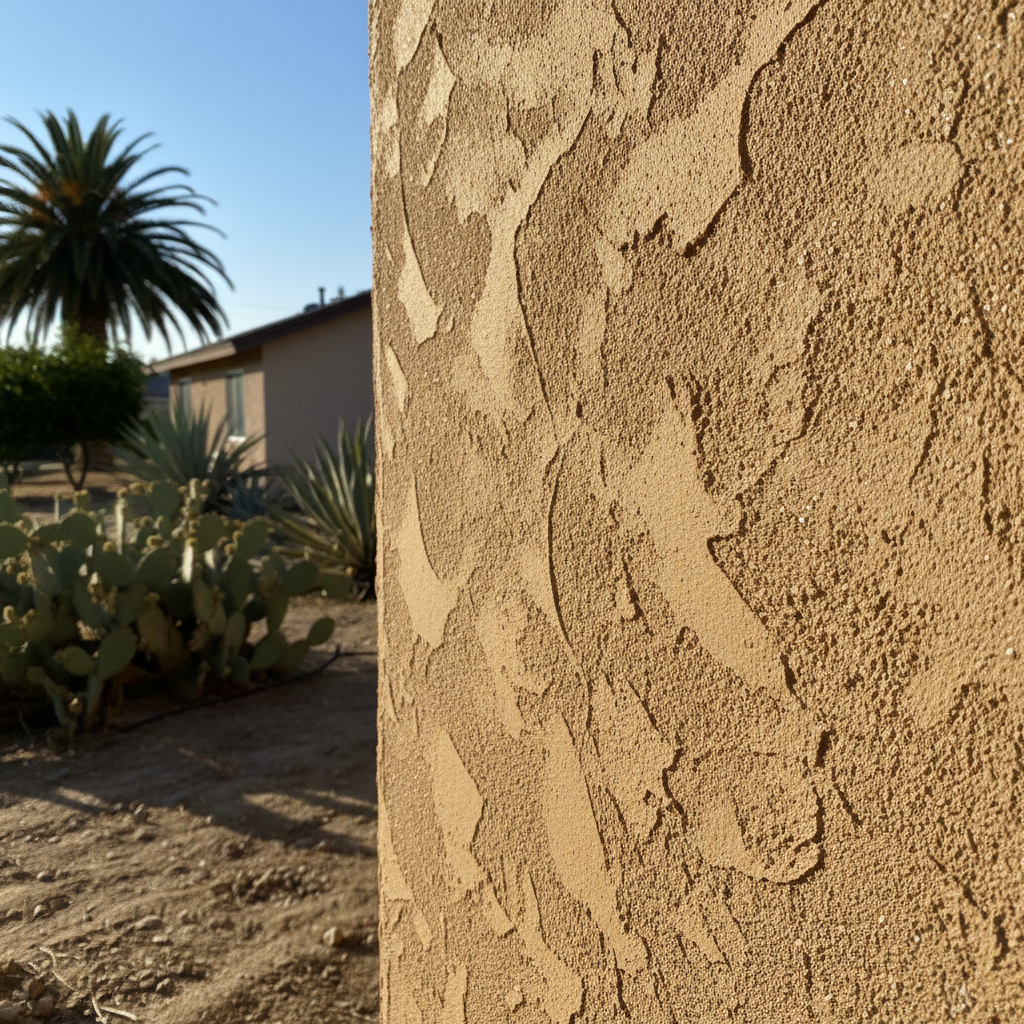
So, your stucco's seen better days, right? Maybe it's got a few tiny cracks, some dings, or the color just doesn't pop like it used to. You're probably thinking about redashing, and honestly, that's a smart move. A good redash can totally revitalize your home's exterior, protect it from the elements, and boost curb appeal without the huge cost of ripping everything off and starting fresh.
But here's the big question I hear constantly: Can I tackle this myself, or should I call in a pro? Let's talk it through.
What Exactly IS Stucco Redashing?
Before we dive in, let's make sure we're on the same page. Redashing isn't just painting over your old stucco. Nope. It's actually putting a new, thin layer of stucco finish coat right over your existing, solid stucco. Picture it like putting a fresh layer of icing on a cake – the cake itself (your existing stucco base) needs to be sturdy, but that new icing makes the whole thing look brand new.
It's a fantastic way to change the texture, update the color, or simply cover up minor flaws without getting into the messy business of structural repairs. Plus, it's way less disruptive and messy than a full stucco replacement.
Before You Even Think About Mixing Stucco
Alright, you're excited, I get it. But hold your horses for a minute. There are a few absolutely crucial things you need to check first. This isn't the place to cut corners, believe me.
- Is your existing stucco actually sound? This is the absolute biggest deal, no exaggeration. If your current stucco is crumbling, peeling off, has major cracks, or feels spongy anywhere, redashing isn't the answer. You've got bigger fish to fry that need fixing first. Redashing over bad stucco is like putting a band-aid on a broken leg – it just won't hold up, and you'll end up wasting time and money. Tap around your walls; if it sounds hollow or soft, that's a huge red flag.
- Cleanliness is next to godliness. You need a super clean surface for the new stucco to bond correctly. Power wash it thoroughly, get rid of all dirt, grime, mildew, and loose paint. Then, let it dry completely.
- Repair those cracks. Small hairline cracks? You can usually fill these with a good quality elastomeric stucco patch or sealant. But anything wider than a credit card, or cracks that are still moving, means you likely have structural issues that need a professional assessment. Don't just slap new stucco over them; they'll just reappear, and that's frustrating.
- Prep the surface. Depending on your existing stucco, you might need to apply a bonding agent. This stuff helps the new stucco stick to the old. Think of it like primer for your walls, but specifically for stucco. If your old stucco is smooth, you'll definitely need it.
DIY Redashing: What You CAN Do
Okay, so you've done your prep, and your existing stucco is solid. What parts of redashing can a homeowner realistically tackle?
If you're handy, patient, and not afraid of a little hard work, you can probably handle smaller, less visible areas. I'm talking about a small garden wall, a shed, or maybe a single, easily accessible wall on your house. Here's what that usually involves:
- Mixing the finish coat: You can buy pre-mixed stucco finish or mix it yourself from bags. Just follow the instructions precisely. Consistency is key – too wet, it'll sag; too dry, it won't spread.
- Applying the finish: This is where the skill really comes in. You'll need a hawk and trowel. You'll apply a thin, even coat, usually 1/8 to 1/4 inch thick. Then you'll texture it. This is definitely where it gets tricky. Matching an existing texture or getting a consistent new texture takes a lot of practice.
- Texturing: Popular textures like a light dash, sand finish, or even a simple smooth finish (though smooth is harder to get perfect) are possible. Just know that it takes a steady hand and a good eye.
Honestly, getting a consistent, professional-looking finish across a large area is incredibly difficult for a beginner. You'll see every start and stop, every uneven patch. It's not like painting, where you can just roll over a mistake, you know?
When to Call a Pro (Like Glendale Stucco & Plastering)
Look, I'm all for saving a buck where you can, but some jobs are just better left to the experts. Redashing your entire house, or even a significant portion of it, is one of those jobs for most homeowners. Here's why:
- Consistency is king. A professional stucco crew can maintain a consistent mix, application thickness, and texture across your entire home. This is crucial for a uniform, beautiful look. You really don't want your north-facing wall looking different from your south-facing wall.
- Speed and efficiency. Stucco dries fast, especially here in Glendale with our warm, dry Santa Ana winds. You need to work quickly and continuously to avoid cold joints and visible seams. Pros have the crew and experience to get it done right, fast.
- Specialized tools and techniques. We've got the right equipment, from mixers to spray rigs, that make the job faster and the finish better. Plus, we've got years of experience with different textures and finishes.
- Dealing with tricky areas. Around windows, doors, corners, and architectural details – these are all areas where an amateur can quickly get into trouble. You need proper flashing and detailing to prevent water intrusion down the line, which is a major problem we see in older homes around areas like the Verdugo Woodlands.
- Warranty and peace of mind. When you hire a reputable company, you get a warranty on the work. If something goes wrong, they'll fix it. If you DIY, you're on your own.
If you're just doing a small patch, or a tiny, non-critical area, go for it. It's a great way to learn! But for the main exterior of your home, especially if you're looking for a specific, high-quality finish, you're going to be much happier with the results from a professional. It's an investment in your home's longevity and appearance, and it's one where the expertise really pays off.
Don't hesitate to reach out if you've got questions or want a quote. We're always happy to talk stucco.