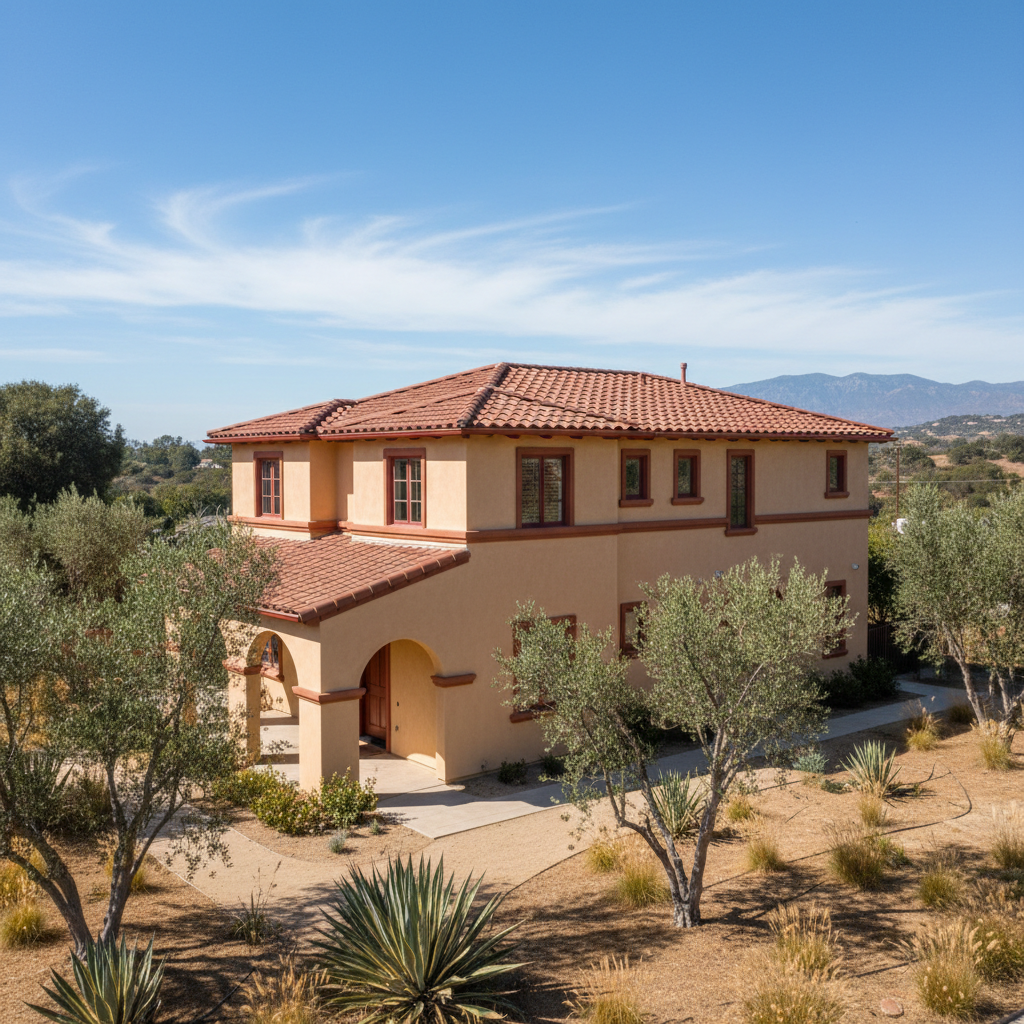
Planning Your EIFS Project: What to Expect
So, you're looking at EIFS for your home here in Glendale. That's a smart move for a lot of reasons – great insulation, a clean look, and it holds up well against our California sun. But like any big home improvement, it's not something you just jump into. You need a plan. I've been doing this a long time, and I've seen what makes a project go smoothly and what causes headaches. Let's talk about what you should expect.
The EIFS Project Timeline: What's Realistic?
First off, let's set some expectations for how long this whole thing takes. It's not an overnight job, and anyone who tells you it is probably isn't doing it right. A typical EIFS installation on an average-sized home – say, a two-story house in the Chevy Chase area – usually runs about 3 to 6 weeks from start to finish. That's assuming good weather and no major surprises once we start tearing into things.
- Initial Consultation & Estimate: This is quick, usually a day or two after we first talk.
- Contract & Permitting: This can take a bit. Depending on the city of Glendale's current workload, getting permits can be anywhere from a week to a month. Don't rush this; it's crucial for your protection.
- Material Ordering & Delivery: EIFS materials aren't always sitting on a shelf. It can take a week or two for everything to arrive.
- Preparation & Installation: This is the bulk of the work. Depending on the size and complexity of your home, this is where you'll see us for 2 to 4 weeks. This includes scaffolding setup, wall prep, insulation board attachment, base coat, mesh, finish coat, and all the detailing around windows and doors.
- Cleanup & Final Walk-Through: A few days to make sure everything's spotless and you're happy.
Keep in mind, things like rain, unexpected repairs to the underlying structure, or even just complex architectural details can add time. We'll always keep you in the loop if the schedule needs to shift.
What Happens During Installation?
When we're on site, here's the general flow you'll see:
First, we'll set up scaffolding. Safety is number one, always. Then, we'll get your walls ready. This might involve removing old siding or stucco, making sure the substrate is sound, and addressing any moisture issues. We'll install a weather-resistive barrier – that's your first line of defense against water. Next comes the insulation boards. These are mechanically fastened to your home. After that, we apply the base coat, embed the fiberglass mesh for strength, and then another layer of base coat. Finally, the finish coat goes on. This is what gives EIFS its color and texture. We'll also be meticulously flashing around windows, doors, and any penetrations to ensure a watertight seal. It's a multi-layer system, and each layer has to be done right.
How to Prepare Your Home for EIFS
You can help make the process smoother. Before we start, you'll want to:
- Clear the Perimeter: Move any patio furniture, grills, planters, or anything else away from the exterior walls. We'll need clear access all around your house.
- Trim Landscaping: Trim back bushes, trees, or vines that are close to the house. We need space to work, and you don't want your plants getting damaged.
- Secure Pets: Keep pets indoors or in a secure area away from the work zone. There will be noise, people, and equipment, and we don't want any accidents.
- Inform Neighbors: It's a good idea to let your immediate neighbors know that there will be construction noise and activity for a few weeks. A little heads-up goes a long way.
- Plan for Noise: Expect noise. There will be tools, talking, and general construction sounds. If you work from home, plan accordingly.
- Access to Power/Water: We'll need access to exterior power outlets and a water spigot.
Questions to Ask Before You Sign
Before you commit to any contractor, including us at Glendale Stucco & Plastering, you need to be asking the right questions. Don't be shy:
- Can you provide proof of licensing and insurance? (Workers' comp and general liability are non-negotiable.)
- What specific EIFS manufacturer systems do you use, and why?
- Can I see a detailed breakdown of all costs, including materials, labor, and permits?
- What's your payment schedule? (Be wary of anyone asking for a huge upfront deposit.)
- How do you handle unexpected issues or change orders that might arise during the project?
- What kind of warranty do you offer on your workmanship, and what about the manufacturer's warranty on the EIFS system?
- Who will be my main point of contact throughout the project?
- How do you protect my landscaping and property during the work?
- Can you provide references from recent EIFS projects you've completed?
Asking these questions upfront will give you a clear picture of what you're getting into and help you feel confident in your choice. We want you to be happy with your new EIFS, and a big part of that is making sure you understand the process from start to finish.